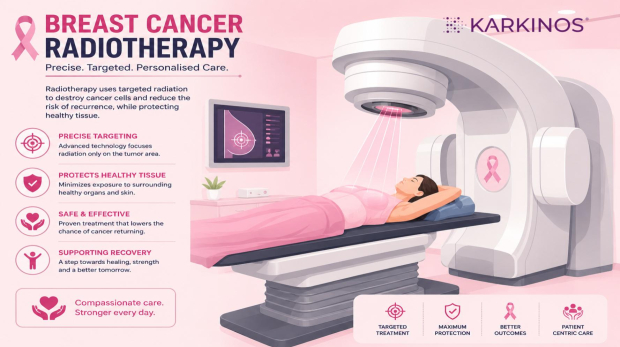
Advances in Radiation Technology Make Treatment Outcomes Precise
Radiotherapy has come a long way. Today, it is a fast, painless, and highly targeted treatment designed to fight cancer while keeping you safe.

A technology-led, purpose driven oncology platform, enabling discovery through delivery of care
Radiotherapy has come a long way. Today, it is a fast, painless, and highly targeted treatment designed to fight cancer while keeping you safe.
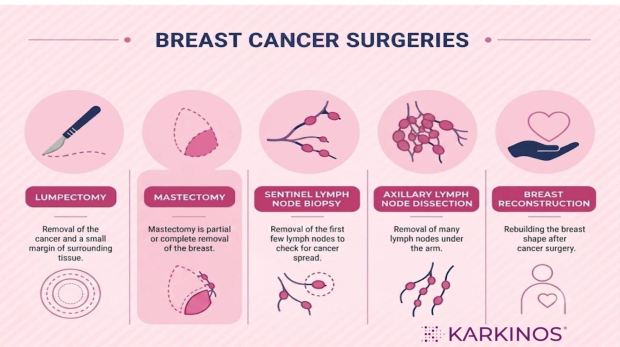
This blog explores what a patient and the family members need to know about surgical options, the factors driving the surgeon’s recommendation, and how a tumour board fits into the process.

A mutation in the BRCA gene, specifically BRCA1 or BRCA2, significantly increases a woman’s lifetime risk of developing breast cancer. Read this blog to know more.

HER2 is a molecule that significantly influences the behaviour of certain types of breast cancer. Understanding HER2 helps explain why some tumours grow rapidly and exhibit aggressive characteristics.
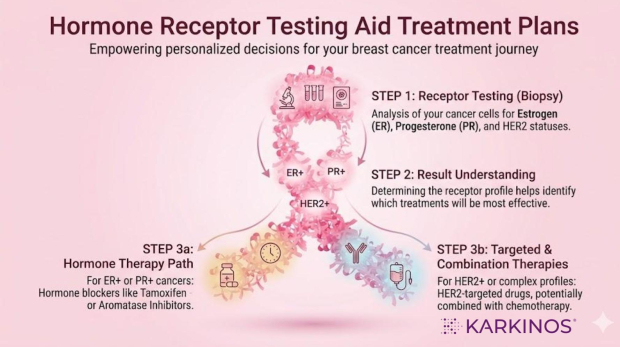
Hormone receptor testing determines whether breast cancer cells express Estrogen Receptor and Progesterone Receptor, helping identify tumors that depend on hormonal signaling for growth. This information is critical as it plays a central role in guiding treatment decisions and prognosis.
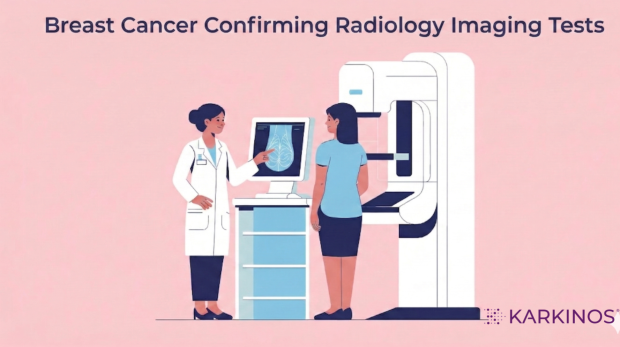
Imaging technology has progressed far beyond the surgeon’s knife, offering ever greater precision in detailing the size, location and spread of breast cancer. Read more to know the latest imaging tests.
This blog explores in greater depth how pathologists dedicate their minds, hearts, and souls to ensuring accurate breast cancer diagnosis.


In recent years, the westernisation of urban societies in India has led to an increase in smoking and drinking among young women. However, many do not realise that these habits come with a hidden cost: a significantly higher risk of breast cancer.