
Understanding your cervix, HPV and why screening matters
The cervix may be small, but it plays an important role in a woman’s health. It connects the uterus to the vagina, changes naturally throughout life, and is also the place where most cervical cancers begin. The good news is that cervical cancer is one of the most preventable cancers—especially when we combine HPV vaccination with regular screening.
What exactly is the cervix?
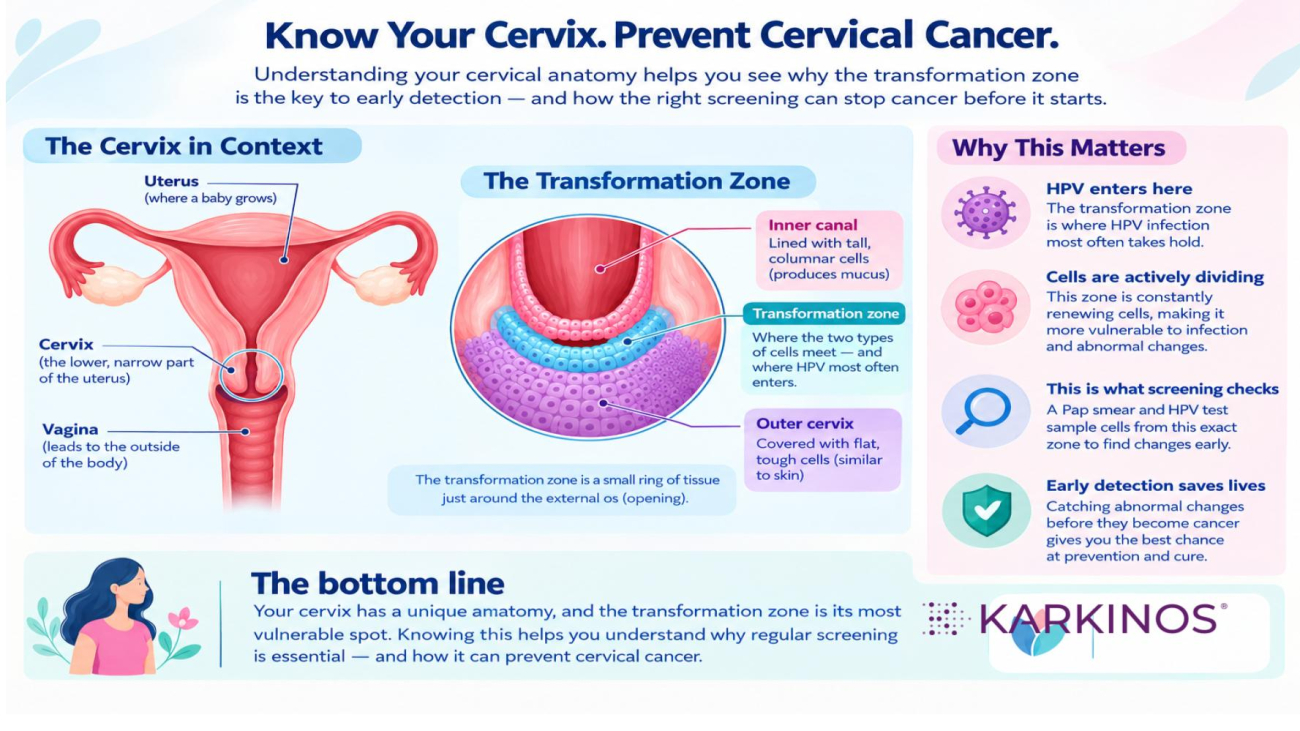
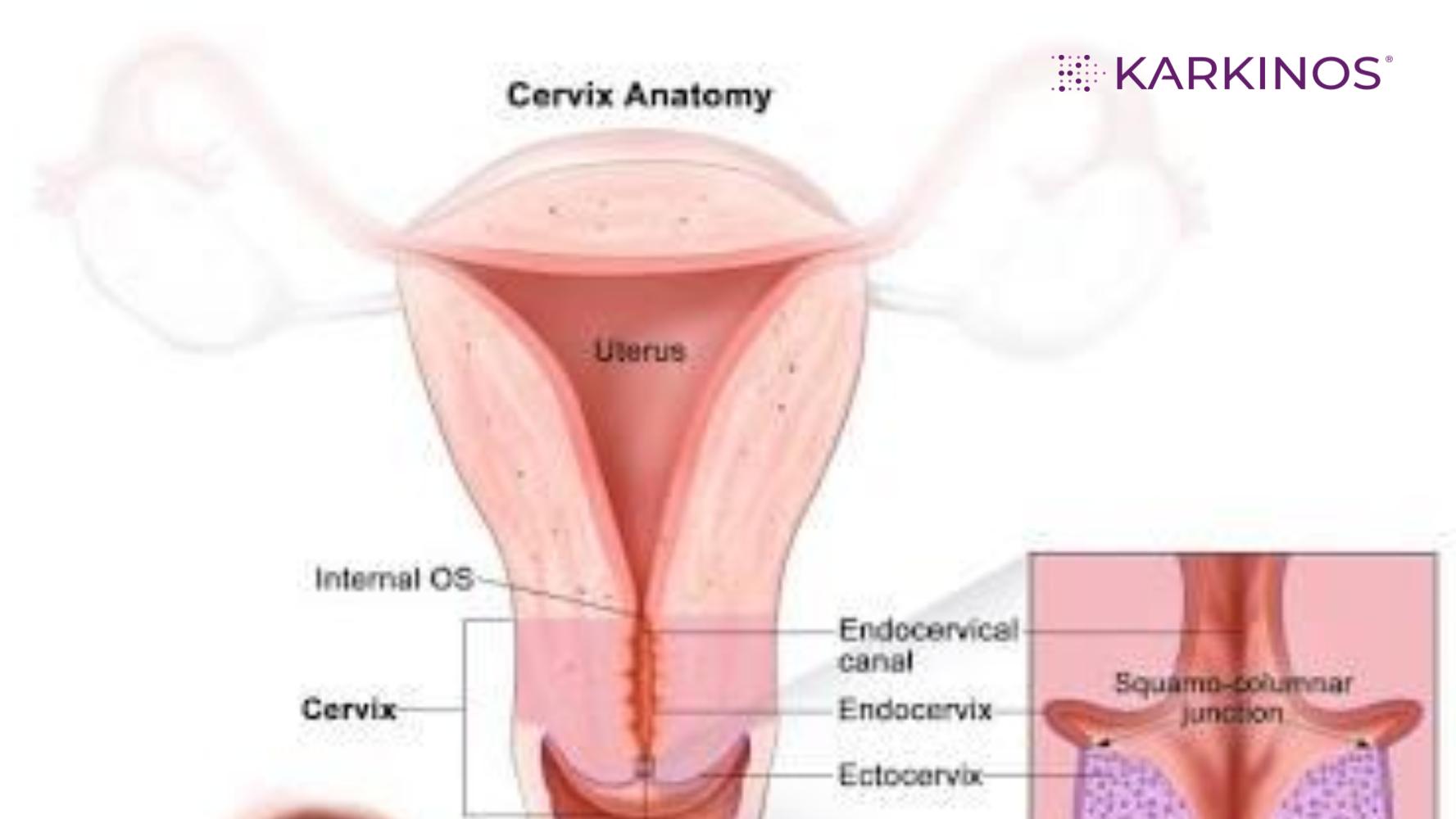
The cervix is the lower, narrow part of the uterus. If you imagine the uterus as a pear-shaped organ, the cervix is like its short neck, opening into the vagina.
At the end of the cervix is a small opening called the cervical opening, or external os. This is the area that a healthcare professional can see during a pelvic examination and from which cells may be collected for a Pap test or HPV test.
A narrow passage called the cervical canal runs through the cervix. Menstrual blood passes through it, and during the fertile period it helps sperm travel towards the uterus.
The cervix: a natural gatekeeper
The cervix acts like a doorway between the uterus and the vagina. Its role changes with the different stages of life:
- During menstruation, it allows menstrual blood to pass out of the uterus.
- Around ovulation, cervical mucus becomes thinner and more slippery, helping sperm travel.
- During pregnancy, the cervix remains firm and closed and forms a protective mucus plug.
- During childbirth, it gradually softens, opens and dilates to allow the baby to pass.
What is the transformation zone—and why does it matter?
One small area of the cervix deserves special attention: the transformation zone. It is the area where two different types of cervical cells meet and naturally change.
These cells are constantly renewing. This is completely normal. However, this area is also particularly vulnerable to infection with human papillomavirus (HPV). Persistent infection with high-risk types of HPV can cause abnormal cell changes that may, over many years, develop into cervical cancer.
That is why cervical screening tests collect cells from the cervix, including the transformation zone. Detecting abnormal changes early gives us an opportunity to monitor or treat them before they become cancer.
HPV: the common virus behind cervical cancer
Human papillomavirus, or HPV, is a very common virus. It can be passed through intimate skin-to-skin sexual contact. Most HPV infections clear naturally, often without causing any symptoms. The concern is when certain high-risk HPV infections persist for a long time.
Persistent high-risk HPV infection can gradually cause changes in cervical cells. These changes usually happen slowly, often over several years. Regular screening can identify these changes before they progress to cancer.
HPV infection does not mean that a woman has cancer. An HPV-positive result means that further assessment or follow-up may be needed, depending on the screening test and the individual situation.
How does the cervix change through life?
The cervix is not a static structure. Hormonal changes during puberty, the reproductive years, pregnancy and menopause can alter its size, position, appearance and mucus.
During puberty and the reproductive years, hormonal changes make the cervix and its transformation zone more active. A clear or whitish discharge can occur as part of normal hormonal changes and does not automatically mean infection.
During pregnancy, increased blood flow and hormonal changes make the cervix softer and larger, and a mucus plug develops to help protect the uterus.
After menopause, lower estrogen levels make the cervix and surrounding tissues smaller and less moist. The transformation zone may also move further inside the cervical canal.
Why should every woman know about cervical screening?
Cervical cancer usually develops gradually. This gives us a valuable window of opportunity: precancerous changes can often be detected and treated before cancer develops.
Depending on age, previous screening results and local recommendations, screening may involve an HPV test, a Pap test, or other appropriate methods. Your healthcare professional can advise which test and screening interval is right for you.
Screening is important even when you feel completely healthy. Early cervical changes usually do not cause symptoms.
HPV vaccination: prevention before infection
HPV vaccination is an important tool for preventing HPV-related cancers. Vaccination works best when given before exposure to HPV, but recommendations can vary by age and individual circumstances.
Vaccination does not replace cervical screening. Even vaccinated women should follow the screening recommendations appropriate for their age and circumstances.
A few things to remember
- The cervix is a normal and important part of the female reproductive system.
- The transformation zone is the area where most cervical precancerous changes begin.
- HPV is very common, and an HPV-positive result does not mean cancer.
- Cervical cancer usually develops slowly, giving screening a chance to detect problems early.
- HPV vaccination and regular screening are powerful tools for cervical cancer prevention.
- Do not wait for symptoms to appear before thinking about cervical health.
Your cervix deserves attention—not fear
Learning about the cervix is not just about understanding anatomy. It is about recognising an opportunity to prevent disease. A simple screening test can sometimes detect changes years before they become serious. Talk to your healthcare professional about HPV vaccination and cervical screening, and choose the screening schedule recommended for you.
Taking care of your cervical health is one small step that can make a very big difference.